
CorrectPay
Tyler Technologies, IncCommunication
3.6444.00 Reviews
- Version
- Varies With Device
- Installs
- 500.00K
- Age Rating
- Everyone
Screenshots
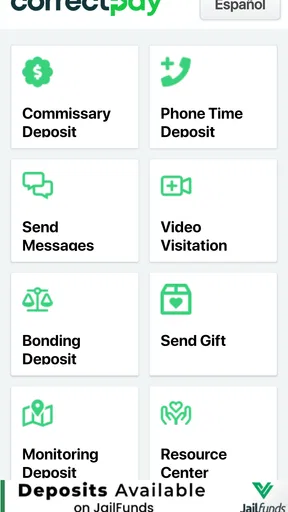
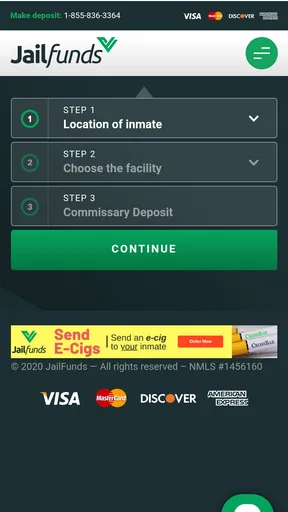
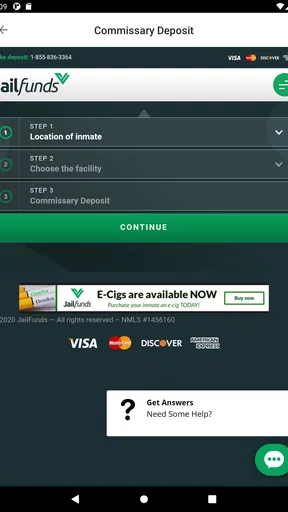
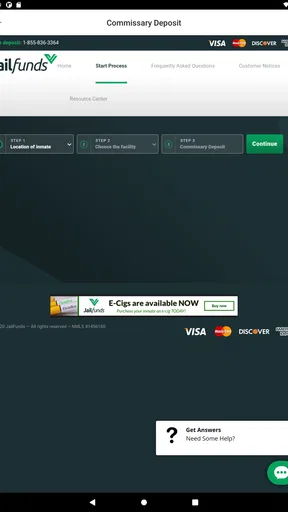
Our Review of CorrectPay
 Analysis by Appyee
CorrectPay is a focused communication app for a difficult, very specific task: helping people make commissary deposits and take part in video visits with loved ones in jail. I found that narrow purpose to be both its biggest strength and its main limitation. When someone needs this service, having the relevant actions gathered in one place can be genuinely useful. When they do not, there is little reason to keep it around.
My overall impression is that this is a practical utility rather than a polished social platform. It is not trying to replace ordinary messaging, video-chat, or payment apps. Instead, it sits between those familiar categories and the correctional-facility process, where the usual alternatives are often not enough. That distinction matters: the app can be valuable because of the situation it supports, not because it offers a broad set of everyday communication tools.
What CorrectPay does well in a stressful situation
The first thing I appreciated was the directness of the app’s purpose. Its role is easy to understand: use it for commissary deposits and video visits connected with a loved one in jail. That clarity is important when the person using it may already be dealing with confusing facility rules, limited visiting options, or the pressure of arranging support from a distance.
In a realistic everyday scenario, imagine a family member who cannot travel to a facility on a weekday. Instead of treating a video visit and a commissary deposit as completely separate errands, they can begin with the same service designed around that relationship. The benefit is not excitement or entertainment; it is reducing the number of places they need to check while handling something time-sensitive and emotionally important.
I also see value in the app’s combination of communication and financial support. A standalone video-chat app might be excellent for calling friends, but it would not address commissary needs. A regular payment app might move money conveniently, but it would not be built around arranging a jail video visit. CorrectPay’s usefulness comes from bringing these two needs into the same correctional-services context.
That does not mean every step will feel effortless. Services linked to jails can depend heavily on the particular facility and the rules attached to a person’s account. Still, the app’s focused design gives users a sensible starting point. Rather than searching broadly for an unofficial workaround, I would begin here when the facility and family member are supported by the service.
CorrectPay is developed by Tyler Technologies, Inc, and it is available as a free communication app for Android and iOS users. Its age classification is Everyone, which fits the basic nature of its purpose: it is a tool for arranging contact and support, not an entertainment product aimed at mature audiences.
The app has attracted over 500 thousand installs and holds a 3.6 average from around 1.3 thousand ratings, alongside roughly 444 written reviews. I read those figures as a sign of a service with a meaningful user base but also a mixed experience. The rating is not strong enough for me to call the app consistently smooth, yet it is high enough to suggest that many people do find it useful for the job it is meant to do.
The practical advantage over ordinary alternatives
For ordinary family communication, I would usually choose a familiar video-calling app. Those services tend to be easier to understand, more flexible, and better suited to frequent conversations. They are the better choice when everyone is free to use the same mainstream platform and there are no facility-specific restrictions.
CorrectPay becomes more relevant when a jail or correctional setting determines how contact must happen. In that situation, the usual alternatives may not be accepted or may not connect the visitor with the incarcerated person at all. The app’s advantage is therefore contextual rather than technical. It is designed around a type of contact that general-purpose tools do not necessarily support.
The same comparison applies to money transfers. A normal banking or payment app can be convenient for sending money to another person, but convenience alone does not make it suitable for commissary deposits. The recipient, facility, account process, and permitted use all matter. CorrectPay is aimed at that specific route, which can make it more useful than a familiar payment service when the institution requires it.
One useful habit is to treat the app as the beginning of the process, not as a promise that every facility works identically. Before planning a visit around it, I would check the intended facility and the person’s information carefully inside the service. A small mistake in names or account details can create avoidable frustration, especially when the user is already trying to coordinate with someone who cannot simply answer a phone call whenever needed.
Where the experience can become frustrating
The biggest weakness is that the app’s success may depend on circumstances outside the app itself. A video visit is not just a matter of opening a camera screen. It involves the facility, the incarcerated person’s eligibility, scheduling or access conditions, and the quality of the connection on both sides. Even a well-designed interface cannot remove all of those variables.
That is why I would not recommend installing CorrectPay and assuming that a visit will immediately be available. The sensible approach is to confirm that the relevant jail uses the service, then prepare the visit with enough time to handle account or scheduling issues. If the conversation is important, leaving everything until the last minute is a poor strategy.
Commissary deposits also require care. Sending money through a specialized service is different from casually transferring funds to a friend. I would double-check the recipient details, review the destination before confirming, and keep any confirmation information that appears after the transaction. Those steps are not glamorous, but they are especially worthwhile when a deposit is intended to help with daily needs.
Another limitation is the app’s narrow scope. I would not expect a full messaging inbox, a general-purpose contact list, or the broad social features found in mainstream communication apps. The store summary makes the intended functions clear, and that focus is helpful, but it also means users should not download it expecting a complete replacement for their normal phone and video-chat tools.
The mixed rating reinforces that cautious view. A 3.6 average is not a reason to reject the app automatically, because specialized services are often judged not only on design but also on account access, facility compatibility, and visit conditions. At the same time, it would be unfair to describe the experience as universally dependable. I would approach it as a necessary tool that may require patience, careful checking, and a backup plan for important communication.
Small workflow choices that make a real difference
The first practical tip is to separate preparation from the actual visit. I would review the selected person and facility before trying to start a video session, and I would avoid waiting until the planned conversation time to discover that an account detail needs attention. This simple order of operations reduces the chance that emotional urgency turns into rushed data entry.
The second is to keep deposit and visit tasks mentally distinct even though they live in the same app. A successful commissary deposit does not automatically mean that a video visit is ready, and access to a visit should not be assumed just because a payment has been made. Treating them as two separate workflows helps prevent false expectations.
The third is to use the app as a record of planned communication rather than relying only on memory. If a visit involves a particular time or if a deposit matters for a specific reason, I would note the relevant details outside the app as well. That is useful when family members share responsibility for support or when one person needs to tell another what has already been arranged.
A fourth insight is that the app is most valuable for people who need repeat access, not for someone making a casual one-off download. Families who regularly support an incarcerated relative may benefit from having one familiar place to return to. A person who only wants to make a general video call, on the other hand, will probably find a mainstream communication app more comfortable if the facility allows it.
Finally, I would plan for communication gaps. If the other person cannot respond instantly or if facility procedures interrupt the expected timing, do not interpret that automatically as a problem with the app or as a personal choice by the incarcerated person. The service operates within a setting where availability can be more restricted than in ordinary communication. Keeping that distinction in mind makes the experience less stressful.
Who should use it, and who should look elsewhere
CorrectPay makes the most sense for family members, partners, and close friends who need a supported way to arrange video contact or make commissary deposits for someone in jail. It is also a reasonable first option for users who have been directed toward this service by the relevant facility or who want both tasks available through one specialized app.
I would recommend it particularly to people who value a focused workflow over a large feature set. If your priority is handling facility-related communication without juggling unrelated apps, the narrow design is an advantage. The free price also removes one obvious barrier to trying it, although users should still pay close attention to the details of any transaction or service they arrange within the process.
I would skip it if you are looking for a normal family messenger, a broad video-calling community, or a general money-transfer tool. Those needs are better served by apps built specifically for them. I would also hesitate to rely on it without checking facility compatibility first. The app’s purpose is specialized enough that a mismatch between the service and the jail would make the download unhelpful.
New users may reasonably wonder whether the app is suitable for children. Its Everyone age rating means the app is classified for a general audience, but the subject matter is still serious and connected to adult family circumstances. The rating describes the app’s content category; it does not mean every situation involving jail communication is appropriate for every child to manage independently.
Another natural question is whether the app replaces a regular phone call or a normal video service. In my view, no. It should be considered a facility-oriented option for the kinds of contact and deposits it supports. If a jail permits ordinary calls or another approved platform, that alternative may be simpler for routine conversations. CorrectPay earns its place when its specialized route is the one available or the one that best fits the required process.
Users may also ask whether the app is worth trying despite its middling rating. I think the answer depends on need. For someone with no connection to the service, the rating is irrelevant because the app has little everyday value. For someone who needs a commissary deposit or video visit, usefulness matters more than broad popularity, but the mixed feedback is still a reason to prepare carefully and avoid assuming that every interaction will be seamless.
My final view after weighing usefulness against friction
My verdict is cautiously positive. CorrectPay solves a real problem and does so with a clear focus: it gives people a specialized route for supporting and communicating with loved ones in jail. That is a meaningful strength, especially when general-purpose apps cannot handle the facility-specific side of the relationship.
At the same time, I would not describe it as a universally polished communication experience. The app’s value can be affected by facility rules, account details, visit conditions, and the practical limits of communicating through a correctional setting. Those factors mean that patience and preparation are part of using it well.
My recommendation is simple: use CorrectPay when you need its correctional-service functions, not because you want another everyday messenger. For the right audience, that focused purpose can be more important than a higher general app rating or a larger collection of features. For everyone else, a conventional video or payment app will usually be the more natural choice.
As a free app from Tyler Technologies, Inc with an Everyone classification and a substantial install base, it is easy enough to consider when it matches your facility’s process. I would install it with realistic expectations, verify each step before confirming it, and keep an alternative way to communicate in mind when the conversation is especially important. Used that way, CorrectPay is a practical specialist rather than a one-size-fits-all solution.
Verdict
Strengths of CorrectPay
- Simple interface makes everyday payment tasks easy to navigate.
- Supports quick bill payments without visiting physical payment locations.
- Payment records help users track previous transactions conveniently.
- Useful for managing several recurring household payments in one place.
- Digital receipts can reduce paper use and simplify record keeping.
Limitations of CorrectPay
- Service availability may depend on your country, provider, or supported biller.
- Some transactions may include convenience fees or additional processing charges.
- Payment processing times can vary between billers and transaction methods.
- Users may need reliable internet access to complete payments successfully.
- Customer support response times may vary during busy periods.
Other Releases by Tyler Technologies, Inc
View All
My Ride K-12
Education4.3
Similar Picks in This Category
View All
Google Messages
Google LLC4.6

Gmail
Google LLC4.1

Google Meet
Google LLC4.4

Google Chrome
Google LLC4.1

WhatsApp Messenger
WhatsApp LLC4.6

Carrier Services
Google LLC4.2
Frequently Asked Questions
What is CorrectPay, and what can I use it for?
CorrectPay is a digital payment and financial services application designed to help users manage transactions from a mobile device. Depending on the services available in your region, it may allow you to make payments, transfer funds, review account activity, or access related financial tools. Before downloading, check the official app description and supported features because availability can vary by country and account type.
Is CorrectPay safe to use for payments and personal information?
CorrectPay may use account authentication and security measures to protect user data and transactions, but no financial application should be treated as completely risk-free. Download it only from an official app store, verify the developer name, use a strong password, and enable any available security options. Never share verification codes, payment details, or login information through messages or unofficial websites.
Do I need to create an account or complete identity verification?
Most payment applications require users to register with personal information, such as a phone number or email address, before accessing their main features. CorrectPay may also request identity verification, depending on the services you want to use, local regulations, and transaction limits. Have accurate information and valid documents available, and review the privacy policy before submitting sensitive details.
Are there fees, transaction limits, or extra charges when using CorrectPay?
The cost of using CorrectPay can depend on the type of transaction, payment method, destination, currency, and your location. Some services may be free, while transfers, withdrawals, conversions, or other financial operations could include fees or limits. Always review the confirmation screen and the current terms before approving a transaction, since prices and restrictions may change.
What should I do if a payment fails or I cannot access my CorrectPay account?
If a payment fails, first check your internet connection, available balance, account status, and whether the recipient or service is supported. Avoid repeating the transaction immediately if money appears to have been deducted; instead, check your transaction history and wait for the status to update. For login, verification, or disputed-payment problems, contact CorrectPay through its official support channels.
